
Updated Feb. 22
Much has been revealed in recent years about Donn Beach (aka Don the Beachcomber), considered to be the godfather of 20th century Tiki culture. But we still don’t have a complete picture of the life and times of the enigmatic bootlegger-turned-restaurateur, who opened the first faux Polynesian bar in the 1930s and influenced countless imitators. That’s all about to change.
Preview the book below: Images and sample pages | Video
Bonus cocktail recipe: Beachcomber’s Silver

Years in the making, the 208-page biography Searching for Don the Beachcomber will hit bookshelves in 2026, researched and written by Tiki historian Tim “Swanky” Glazner and published by London-based Korero Press. The hardcover book is due to be shipped April, and fans jumped at the chance to secure a special edition via a Kickstarter campaign that launched Jan. 20. More than $45,000 was raised in the first a week, smashing all goals. The total when the campaign ended was more than $60,000 (£45,230).
Early backers received several special rewards, including first-edition copies with an exclusive signed bookplate. A limited-edition mug by Eekum Bookum featuring Beach’s signature cannibal carvings sold out fast, and a second batch with a different glaze was added. The mug and book are now available for pre-order via the official website, along with 8×10 prints of Beach.
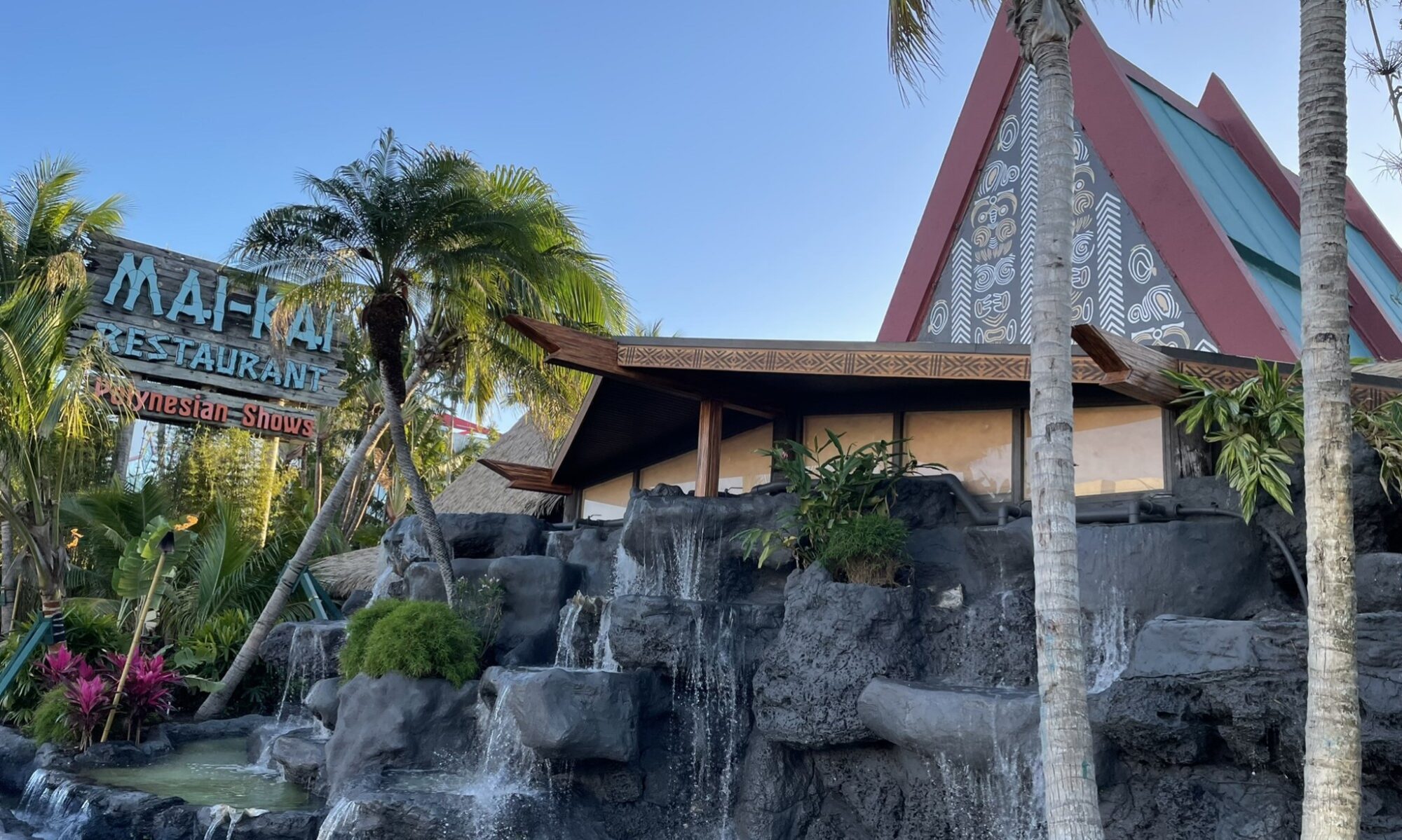
Glazner is co-founder of The Hukilau in the early 2000s and author of Mai-Kai: History and Mystery of the Iconic Tiki Restaurant (2016, Schiffer). It was during the research for that book that he starting uncovering fascinating facts and stories about the man who started life in 1907 as a Texan named Ernest Gantt and ended in 1989 in Honolulu as a lifelong supporter of authentic South Pacific culture.
Over those 82 years, Beach reinvented not only himself but America’s perception and appreciation of Pan-Pacific people. The book covers his entire life, including fascinating details and stories about his early years, which have remain shrouded in mystery. As it turns out, most of the tall tales and myths that have long surrounded Donn Beach were created and embellished by the man himself. But one thing is clear, Beach always lived up to his motto: “If you can’t get to paradise, I’ll bring it to you.”

In Searching for Don the Beachcomber, Glazer does his best to separate fact from fiction, but he also lets Beach’s rich archive of personal documents speak for themselves. The biography was made possible when Beach’s widow, Phoebe Beach, donated his personal papers, photos and other materials that she had been saving for the past 30+ years. Glazner has said they will end up in the collections of the Bishop Museum in Honolulu, which celebrates the history and culture of Hawaii and the Pacific.
Beach is best known today as the “Inventor of the Tiki Bar,” as the book’s subtitle states, a uniquely mainland American invention that he crafted in the shadow of 1930s Hollywood movie studios. But fate later brought the enterprising entrepreneur to the South Seas, where he spent most of the second half of his life, running namesake restaurants and spearheading projects that included the International Market Place in Waikiki. He was also a decorated veteran of World War II, rising to the rank of lieutenant colonel in the Army Air Force.

Throughout his lifetime, Beach ignored racial barriers by quietly hiring and promoting staff who were immigrants from many Pacific and southeast Asian countries, decades before civil rights legislation was a reality. Reading Searching for Don the Beachcomber will give you a much more in-depth picture of not only the creativity, but the integrity and vision of Donn Beach.
Glazner details many significant storylines, including Beach’s unusual relationship with his first wife, Sunny Sund, and their precarious association with organized crime. The book is also chock full of more than 200 rare images and documents from Beach’s archives, plus an appendix that includes many of the influential mixologist’s original recipes from the 1930s and ’40s.
