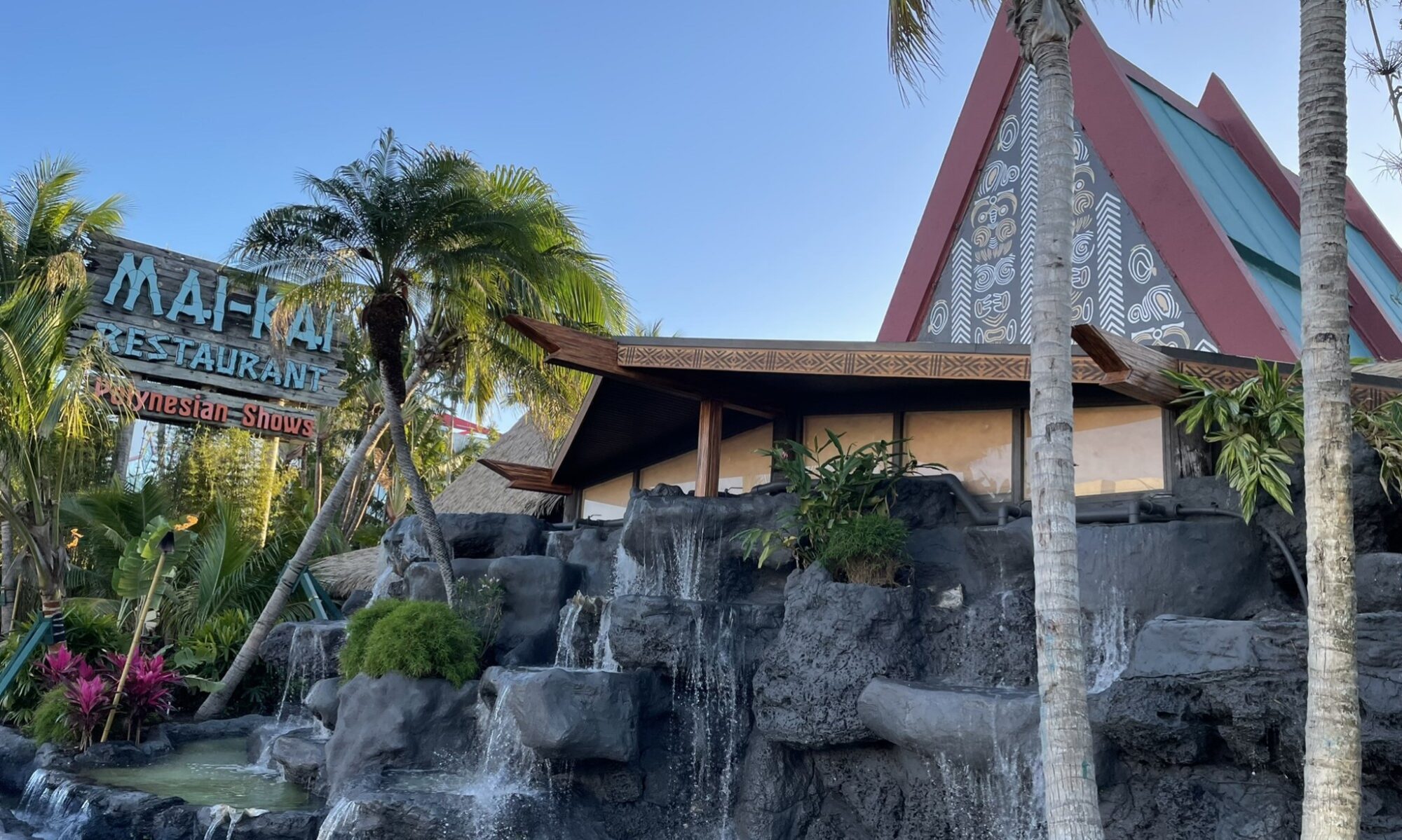
When you examine the sport of surfing and its surrounding culture, Florida is sometimes overlooked while hot spots such as California and Hawaii grab the spotlight. A new book released in May could go a long way toward changing that perception.
Surfing Florida: A Photographic History, by Paul Aho, 272 pages, $31.95, University Press of Florida. Also available via Amazon, at regional surf shops and local book stores. See also: Facebook page
The book follows an impressive gallery exhibit, also called Surfing Florida: A Photographic History, that debuted at Florida Atlantic University in Boca Raton in March 2012. The exhibit of rare photos, surfboards, video, music and interviews made the rounds of galleries throughout the state in 2012 and 2013 to much acclaim.
The exhibit will become a permanent part of the Palm Beach County Surfing History Project, a nonprofit organization dedicated to preserving, documenting and exhibiting the history of Florida surfing. The group’s website says the expansive displays will be available only for non-profit, educational purposes, so donations are encouraged.
If you missed the exhibit and/or wish to take a deeper dive into Florida’s colorful surfing scene (past and present), the book is highly recommended. It goes into much more depth and includes a broader and more detailed look at the men and women who make the scene unique. It’s loaded with great stories and photos by many contributors including some of surfing’s top photographers.
Fans of the much-anticipated Tiki bar coming soon to the Polynesian Village Resort at Walt Disney World were treated to a sneak preview during the inaugural Mahaloween Luau at Trader Sam’s Enchanted Tiki Bar at the Disneyland Hotel. Disney Imagineers showed off a logo T-shirt and several mug prototypes, along with some insight on the design and theming of Trader Sam’s Grog Grotto.
A T-shirt featuring a Trader Sam’s Grog Grotto logo was displayed at Mahaloween Luau on Sept. 29. (Photo by EPCOT Explorer)
The event on Monday, Sept. 29, was a seasonal-themed party that included food and drinks, live music, exclusive merchandise, and a presentation by Walt Disney Imagineering on the past, present and future of Tiki at the Disney parks. Among those in attendance was Steve “Tikiman” Seifert, who keeps fans of the Polynesian Village Resort updated on all the recent changes and refurbishments with his authoritative website and Facebook page. Seifert kept an eye out for news on the Polynesian and the Grog Grotto, and he gave us a full report after the event. Check out his photos and more insights on Mahaloween below. Thanks also to EPCOT Explorer for his photos.
Amid all the construction and re-imagining of the Polynesian, Disney has released very little info about its new Trader Sam’s outpost in Orlando since a big announcement and release of concept art on May 2 [See The Atomic Grog’s story and photos]. And while Imagineers Brandon Kleyla and Kyle Barnes didn’t drop any bombshells, they did provide a few visual and informational treats. Kleyla, in fact, was wearing an orange T-shirt featuring a Trader Sam’s Grog Grotto logo that will likely soon become a merchandise item. A blue shirt was also shown during the presentation. Kleyla, who grew up in Florida and frequented Disney World in his youth, was the Imagineering set decorator for Trader Sam’s in Anaheim, bringing to life an immersive environment that borrows heavily from classic Disney attractions such at the Jungle Cruise, Enchanted Tiki Room and Adventurer’s Club [See interview].
Veteran Imagineer Kyle Barnes, who had a lead role in the Disneyland Hotel bar’s design, took the mic to talk about the concept behind Disney’s second lounge “owned” by Trader Sam, the infamous “head salesman” on the Jungle Cruise attraction at Disneyland and Disney World. Barnes said that while the Disneyland location celebrates the Jungle Cruise and a 1930s African Queen aesthetic, the Disney World bar will synch up with the Magic Kingdom and feature more of a “technicolor” look and feel.
One of the new mug designs for the Polynesian Village Resort, as seen at Mahaloween Luau at Disneyland. (Photo by EPCOT Explorer)
Barnes also confirmed suspicions that have made the rounds since the concept art was released showing a giant squid tentacle behind the bar [See photo]. The Grog Grotto will celebrate the classic 20,000 Leagues Under the Sea, “with various props from that attraction,” he said.
A nautical theme makes perfect sense considering a grotto is often a small cave near water. And it will be located just across Seven Seas Lagoon from the Magic Kingdom and Adventureland, which includes Trader Sam’s home in the exotic rivers of the Jungle Cruise, as well as the animatronic tikis in the Enchanted Tiki Room. The T-shirt logo also includes a giant squid, so don’t be surprised if the Grog Grotto features a backstory about Sam’s adventures on and beneath the sea.
Pop culture phenomenons are routinely shunned by historians and academics. This is especially true in the case of 20th century Tiki culture, which has been typically dismissed as being kitschy and unauthentic to the native civilizations that inspired it. Of course, this critique entirely misses the point of the artistic movement that peaked in the 1950s and ’60s but has been the midst of a continuing revival during the past several decades.
Luckily for fans of Polynesian Pop history and the current renaissance, we have Sven Kirsten. The contributions by this German-born, longtime Los Angeles film professional and self-proclaimed Tiki urban archaeologist are inestimable. His third hardcover book puts many pop culture historians to shame, exploring in rich and colorful detail the uniquely American phenomenon that permeated fashion, music, eating, drinking, and architecture for decades.
Tiki Pop: America Imagines Its Own Polynesian Paradise, published by Taschen (English and French). Available via Amazon and at retail outlets.
* Official Facebook page
Published in connection with an elaborate exhibit at a museum in Paris, Tiki Pop traces the development of Tiki as romantic vision and cultural appropriation. It takes readers on a journey from James Cook’s first expeditions in the Pacific, through Gauguin’s exotic paintings, to Hollywood’s big-screen fantasies, to the modern “temples” (bars, restaurants, hotels, apartments) built to celebrate Tiki as the god of recreation.
If you’re not sold yet, here are 10 good reasons why everyone with an interest in Polynesian Pop and mid-century culture needs to waste no time in picking up Kirsten’s latest hardcover opus:
One cannot imagine what the modern Tiki revival would be like without Otto von Stroheim. A much less festive place, that’s for sure. Since 2001, the Los Angeles native has produced, along with his wife Baby Doe, the first and largest Tiki event of its kind in the world, Tiki Oasis in San Diego. Before that, he was among a small group of devotees that is credited with igniting interest in mid-century Polynesian culture that continues to thrive and grow more than 25 years later.
Tiki Oasis: Aug. 14-17, 2014, at the Crowne Plaza Hotel and Bali Hai restaurant in San Diego. Includes live music and entertainment, symposiums, vendors, car show, and more. Go to TikiOasis.com or Facebook for more info.
In addition to Tiki Oasis, Otto was the creator of several influential touchstones in Tiki’s modern history, including Tiki News magazine, and a series of curated art exhibits and books (Tiki Art Now). Otto can also be found at Forbidden Island in Alameda doing a regular monthly DJ gig.
I cornered Otto at The Mai-Kai in Fort Lauderdale during Miami Rum Renaissance Festival in April and asked him five burning questions:
1. You’ve been at ground zero of the Tiki revival since the very beginning. What do you miss about the early days, and what’s better now?
Hurricane Hayward interviews Otto von Stroheim at The Mai-Kai in April 2014. (Photo by Susan Hayward)
Back then, there were fewer eyes watching you, less pressure, less people to answer to. And, you know, there was less knowledge so if you got something wrong or it was yet to be proven, or if you got a fact wrong, or if you told a story and left out a fact, or if you had a recipe and didn’t get the ingredients right, nobody was there to say whether that was right or wrong. You were moving the peg forward either way. Now there’s so much knowledge and so many people involved, and the knowledge can be dispersed very quickly, if you make a statement or you’re interviewed in a newspaper or a blog, or you write a book or post something or publish something, there’s going to be somebody out there who knows a little more, or knows that you left something out, and they’re going to call you on it. It’s kind of funny because in the old days, people were like, “Oh, that’s great, cool. The recipe for the Mai Tai. Awesome. You know that, alright.” It was a little more relaxed in that way. A little bit less pressure, which would allow you to kind of have more fun in a way.
Southern California’s Tiki Diablo (aka Danny Gallardo), who created the 2012 and 2013 official mugs for The Hukilau, has a new Mai-Kai Mug based on an old fallen carving from the restaurant’s tiki garden (see photo below).
Featuring a distinctive toucan perched on its head, the original tiki was among the many giant carvings at The Mai-Kai by Barney West, a legendary mid-century artist. Barney West tikis that are still standing at The Mai-Kai were the inspiration for Gallardo’s 2013 mug, plus the 2008 official mug for The Hukilau by Munktiki. Another famous tiki by West that fell in 2009 was transformed into The Huiklau’s 2010 mug, also by Munktiki.
The 13th edition of The Hukilau, the East Coast’s largest annual event dedicated to mid-century and Polynesian Pop culture, rolled into Fort Lauderdale last week for five days of “the most authentic Tiki event in the world.” But if you didn’t make it down to the beachside festivities or the historic Mai-Kai restaurant, you still have a limited-time opportunity to pick up some exclusive merchandise. Related:Artists pay tribute to The Mai-Kai with one-of-a-kind mugs
The Hukilau 2014 Commemorative Mug by Eekum Bookum comes with a choice of two different glazes. (Photo by Nomeus)
For many, the one piece of merchandise most closely associated with Tiki culture is, of course, the Tiki mug. Every year, The Hukilau has produced one of the most distinctive (and valuable) mugs on the market, designed by noted artists and produced in limited editions by the top mug manufacturers. [Click here to see some of the past designs]
First released only to ticket-holders and registered guests, The Hukilau 2014 Commemorative Mug is available (while supplies last) to the general public. Designed and produced by Oregon’s Eekum Bookum, the mug comes with two different glazes (Lava and Sunset) and features “The Final Aloha” on the back. In production before it was announced that the event will continue next year, this mug is likely to become a collector’s piece. [Check out the value of past mugs]
A year after the tragic death of artist and famed Tiki carver Wayne Coombs, his Mai Tiki gallery will be closing its doors after this weekend’s Space Coast Art Festival in Cocoa Beach.
The gallery will be celebrating 40 years of Wayne Coombs’ art at the festival, which runs through Sunday. Wayne founded the studio and gallery on Nov. 5, 1973, with is wife, Beki.
Becki Coombs has announced that she’ll be retiring after the festival. Dating back to 1963, the Space Coast Art Festival is also marking a landmark with its 50th event.
The Hukilau: June 11-15, 2014, at the Bahia Mar Beach Resort and The Mai-Kai restaurant in Fort Lauderdale. Latest updates: TheHukilau.com | Facebook or Twitter
After 12 years of hosting one of the largest and most authentic gatherings of Polynesian Pop enthusiasts from across the globe, Christie “Tiki Kiliki” White announced today that The Hukilau in June 2014 will be the event’s “Final Aloha.”
“I am lucky enough to be embarking on a new career and as we all know, life has the tendency to naturally shift your focus and you follow another path,” White posted today on the event’s official website. “We feel honored to have accomplished what we set out to do many years ago – to bring awareness to Tiki palaces on the East Coast and to help in their preservation so that many more generations are able to enjoy the spirit of Aloha.”
The Hukilau’s 13th and final event promises to be “the Big Kahuna – The Hukilau to end all Hukilaus,” White announced. “We are extending the event to five glorious days in the sun this year. Each one will bring new experiences and special performances.”
The East Coast’s largest annual festival dedicated to Polynesian Pop culture is returning in 2014 to the hotel that hosted some of the largest gatherings in the 13-year history of the event. In addition, a big announcement is planned for tomorrow (Wednesday, Nov. 18) by co-founder and organizer Christie “Tiki Kiliki” White that you won’t want to miss.
It will be announced tomorrow that The Hukilau is expanding to five days (June 11-15) with additional Wednesday events in addition to the usual Thursday through Sunday happenings such as the Tiki marketplace, retro-themed bands, rum-fueled parties, informative symposiums and much more. And, as usual, there will be events centered around the historic Mai-Kai Polynesian restaurant, the Fort Lauderdale treasure (est. 1956) that dates back to the original mid-century Tiki craze.
The Hukilau, the annual Polynesian Pop festival that invades Fort Lauderdale every June, is known for its authentic and eye-catching event merchandise, particularly the mugs and glassware. But when the event is over, that doesn’t mean you can’t pick up some cool retro-themed goodies. See below:Bonus recipe and winning photo from The Hukilau’s glassware photo contest
Tiki History Glasses (pink/orange) from The Hukilau.
The latest in a series of double old-fashioned glasses featuring historic Tiki locations has just arrived and has begun shipping to those who pre-ordered. They’re available in sets of two ($22) or four ($42). * Click here to order yours today on TheHukilau.com Web site
This new limited-edition glassware features logos and artwork from these historic Tiki-themed hotels, bars and restaurants: The Hanalei Hotel in San Diego, Luau 400 in New York City, The Mainlander in St. Louis, Johnny’s Tiki Hut in Salt Lake City, and the Inter-Island Resorts in Hawaii. The Hukilau’s co-founder and producer, Christie “Tiki Kiliki” White, has once again done a great job along with Stacie Herndon of Heelgrinder Design in assembling some classic images for the latest in a series of vintage glasses. [See more photos on the Facebook page.]