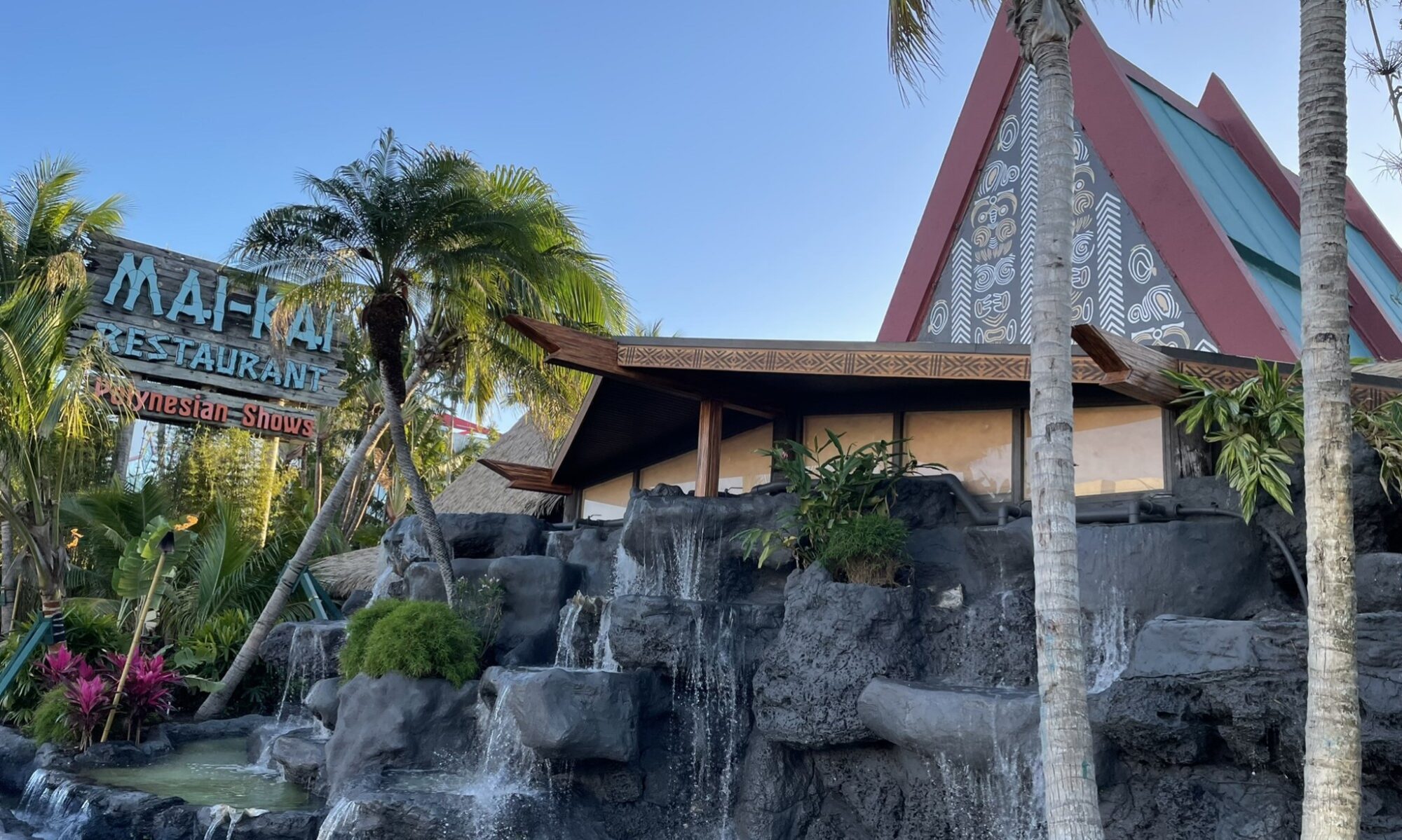
With Hukilau 2012 fast approaching, we have a couple late updates from the organizer of this annual Polynesian Pop celebration, Christie “Tiki Kiliki” White:
We reported earlier that the folks at Common Machine Productions will present a sneak peek of their upcoming documentary, Plastic Paradise: A Swingin’ Trip Through America’s Polynesian Obsession, during Hukilau 2012. But more details have been announced, including the exclusive showtime.
The sneak preview will be shown just before the first dinner show at The Mai-Kai on Saturday, April 21, and will begin promptly at 5 p.m. You must have dinner show reservations to see the film. We’ve heard it’s more than just a short clip so you won’t want to skip this opportunity. The early happy hour begins at 4 p.m. If you haven’t made reservations, call now: (954) 563-3272.
The documentary, which will hit the film festival circuit later this year before being shown on PBS in 2013, tells the story of Tiki culture’s original rise and fall, and its subsequent rediscovery by a new generation of Polynesian Popsters. Filmed in Los Angeles and Fort Lauderdale — much of it on location at The Mai-Kai during Hukilau 2011 — Plastic Paradise features interviews with many of the Tiki scene’s creative forces, such as Sven Kirsten, Beachbum Berry, Tiki Kiliki, Otto von Stroheim, Swanky, Shag, and many more.
There are many great cocktail debates, most notably the Martini (gin or vodka?) and Old Fashioned (rye or bourbon?). At The Mai-Kai in Fort Lauderdale, it’s the Mutiny vs. the Black Magic in an epic battle between two classic rum-and-coffee cocktails.
The Mutiny is served in a heavier but still voluminous mug, which made its debut in April 2018. (Photo by Hurricane Hayward)
The only way to truly compare these titans until recently was to sit down at the restaurant’s legendary Molokai bar and taste them side-by-side. This can be a daunting task since they’re both very strong and very large cocktails, not that we haven’t tried many times.
But thanks to our research, you can give it a whirl in your home bar with the tribute recipes posted below and on the Black Magic review. These aren’t simple drinks, but we’re sure you’ll find the results well worth the effort.
I pitch my tent solidly in the Mutiny camp. It’s always been decidedly higher in my Mai-Kai cocktail ratings (currently sitting at No. 10) and has an incredible complexity that keeps drawing me back. The Black Magic isn’t far behind at No. 14.
So where did these distinctive cocktails come from, and why are they so similar? The Black Magic came first, reportedly created before The Mai-Kai’s opening by mixologist Mariano Licudine, who was then working for Don the Beachcomber. It appeared on the original 1956 Mai-Kai menu and was joined some 15 years later by the Mutiny.
The Mutiny stands above the Black Magic and The Hukilau in the Atomic Grog ratings. (Photo by Hurricane Hayward, November 2010)
According to legend, the Mutiny was conceived on one of the many Mai-Kai staff fishing trips at which the participants always brought an ample supply of two cocktails: the Black Magic and Barrel O’ Rum. According to the story, there was a rebellion against those two drinks always being featured. To quell an impending mutiny, an idea was hatched to somehow combine them into one monster drink, and the Mutiny was born.
It’s unclear if they were actually mixed together that day on the boat. More likely, Licudine put his talents to work later to create an amalgamation of two of the most popular drinks on the menu. This would not be out of line for the owners to request. The cocktails already share many of the same ingredients, so it took just a few tweaks to yield some amazing results.
The Mutiny has been cited as a favorite of the late Mai-Kai co-owner Bob Thornton, so perhaps he was the driving force behind the drink’s creation. Over the years, it’s been mentioned as favorite by a who’s who of Tiki revival VIPs, including bar owners and authors Jeff “Beachbum” Berry and Martin Cate, plus Tiki Oasis co-founder Otto von Stroheim.
The 2012 Hukilau will be held April 19-22 at The Mai-Kai and several Fort Lauderdale beachside hotels. Official sites: TheHukilau.com | Facebook page | Facebook group
The annual Tiki weekender known as The Hukilau is famous for giving participants unprecedented hands-on access to the best bands, artists and cocktail experts in the modern Polynesian Pop movement. It’s a laid-back affair where friends old and new enjoy live music, mingle at special themed parties and show off their devotion to the world of retro culture.
At no time was this on display better than at the opening night party in 2010, when hundreds of revelers were treated to an ultimate trip into the world of Tiki culture. The Bahia Cabana Beach Resort in Fort Lauderdale played host to a whirlwind evening of live music, room parties and cocktail contests.
With this month’s 11th annual Hukilau fast approaching, let’s take a look back at that night of revelry with another special audio slideshow. Click here or on the images above and below to relive all the hijinks. Then click on the play button and be sure to turn up your speakers!
Prior to the opening of The Mai-Kai in 1956, there were perhaps other icy cocktails that employed dark rum and coffee as key ingredients. But none perfected it quite like the Black Magic.
From a 1963 Mai-Kai calendar. (Courtesy of TheSwankPad.org)
The drink that has spawned dozens of imitators – and even two similar concoctions at The Mai-Kai – has taken on legendary status in the Tiki cocktail community. The Black Magic is the oldest of what some call the “Holy Trinity” of large snifter drinks at The Mai-Kai: The Black Magic, Mutiny and The Hukilau.
One of the keys to this drink is a distinctive dark rum favored by original Mai-Kai mixologist Mariano Licudine: Dagger was a dark Jamaican brand that stopped production some time ago. It became somewhat of a holy grail of Tiki mixologists looking to duplicate the key flavor in many Mai-Kai cocktails, especially the Black Magic.
Kohala Bay dark Jamaican rum was a key ingredient in many Mai-Kai cocktails. (Photo by Hurricane Hayward, March 2012)
Needless to say, we immediately went on an intensive search, but short of taking a trip to Jamaica it was nearly impossible to locate. We were told it was being imported only to Florida, and The Mai-Kai was one of only two bars to serve it. After some digging, however, we miraculously found a rare retail outlet that carried Kohala Bay and immediately stocked up. Our discovery of Kohala Bay sparked many other tribute recipes that you’ll find in this guide, and also spurred many other home mixologists to seek out the rum. Click here for more on the history of Kohala Bay at The Mai-Kai.
But all good things must come to an end. Kohala Bay was taken off the market in April 2016 and has not returned. While still seeking out an appropriate dark and funky run to fill the bill, The Mai-Kai switched to one of the Appleton Estate rums as its dark Jamaican mixer. Then, suddenly, a new rum appeared in April 2019. It’s a secret in-house multi-rum blend, similar to one of those we had been touting here on the blog. Click here for an in-depth guide along with all the suggested Kohala Bay substitutes.
The Black Magic is served in The Molokai bar in October 2016. It’s not really raining. That’s The Mai-Kai’s special windows that simulate a calming tropical downpour. (Photo by Hurricane Hayward)
The name Black Magic comes from the combination of dark rums and coffee, which sets this drink apart from most others from its era. It was reportedly created by Licudine while he was still working for Donn Beach as the No. 2 bartender at the Don the Beachcomber restaurant in Chicago. But even Beach’s top men were not given the opportunity to contribute their own creations to his legendary drink menu.
Lured to Fort Lauderdale to run The Mai-Kai’s bar and create what would decades later become an iconic menu in its own right, Licudine borrowed heavily from Beach’s classics but also added his own flair (Mara-Amu, Derby Daiquiri, etc.). The Black Magic may be his crowning achievement, and it was his first creation to appear on a Mai-Kai menu.
While it’s not nearly as complex, an early Don the Beachcomber cocktail from the 1930s called the Jamoca could possibly have influenced Licudine, since he worked at Don the Beachcomber in Los Angeles at the tail end of that decade. As revealed by Tiki cocktail historian Jeff “Beachbum” Berry in his 2007 book, Sippin’ Safari, the Jamoca contains 1/2 ounce fresh lime juice, 1/2 ounce coffee syrup, 1 ounce chilled coffee, 1 ounce gold Puerto Rican rum, 1 ounce gold Jamaican rum, and 4 ounces of crushed ice. Blended at high speed for 5 seconds and poured into a specialty glass, it’s a coffee-heavy drink that hits few of the high notes later achieved by Licudine with the Black Magic. Berry theorized that it may have been an early Donn Beach experiment inspired by turn-of-the-century soda fountain fare. It’s historically worth noting, but probably not a true ancestor of the Black Magic. We consider this classic to be a true Mariano Licudine original.
Not to be confused with the deadly 151 Swizzle, the Mai-Kai Swizzle is a sweet and fruity mild drink that nevertheless rises above the mundane with a unique combination of juices and syrups plus a healthy dose of gold Jamaican rum.
Authentic swizzle sticks come from trees native to the Caribbean. (Photo by Hurricane Hayward, March 2012)
It also sheds some light on a unique technique called swizzling. Many drinks with swizzle in their name are simply shaken or blended (as The Mai-Kai likely does), but a traditional swizzle follows a tried-and-true method that originated in the Caribbean.
Most mixologists today will use a quality bar spoon to swizzle a drink. Simply put: Fill a glass or shaker with your cocktail ingredients and crushed ice, insert the spoon and quickly spin the handle back and forth between the palms of both hands. This will quickly mix/blend the drink, and if you’re doing it correctly the glass or shaker will quickly become cold and frosty, and your cocktail will be ready to drink.
The highlight of the fourth annual Miami Rum Renaissance Festival certainly promises to be the two-day Grand Tasting events on Saturday and Sunday, April 21-22, when the Deauville Beach Resort in Miami Beach hosts thousands of enthusiasts and industry VIPs for two full days of sampling the best cane spirits from around the world.
But in addition to those festivities, a wide range of events and activities are scheduled under the banner of Miami Rum Week starting Monday, April 16. Among the highlights:
Beachbum Berry explains how to quickly pulse blend an original Zombie at the 2011 Miami Rum Renaissance Festival at The Mai-Kai. (Photo by Hurricane Hayward)
In the latter years of the 20th century, there were two eras: B.B.B. and A.B.B. Before Beachbum Berry, it was the dark days, when tropical drink mixology was still mired in the depths of decades of misunderstanding and neglect. But After Beachbum Berry, that all changed.
A screenwriter and director formerly known as Jeff Berry took his obsession with finding the most authentic and painstakingly-crafted exotic cocktails of the early and mid-20th century to the masses. His five books – from Grog Log in 1998 through Beachbum Berry Remixed in 2009 – have redefined how we view Tiki drinks.
Sure, mixology probably still would have enjoyed its current and ongoing renaissance without him, but it would surely be a lot less colorful and fun place. But beyond the campy humor and aloha shirts, Berry takes his craft and research seriously. He spent 10 years tracking down the authentic recipe for the Zombie, perhaps the most elusive cocktail of its time.
You can view, and taste, the results of his research in a special symposium at the 11th annual Hukilau in Fort Lauderdale on Saturday, April 21. “Revenge Of The Zombie: The Tale of Tiki’s Deadliest Drink” will explore the development of one of history’s most infamous cocktails, from the 1930s to the present.
Many folks skip right over The Mai-Kai’s “mild” cocktails, heading straight for the medium-strength classics and high-octane strong drinks on the voluminous menu. But that would be a mistake.
There are many tasty cocktails on the less-intense side of the menu, including the Samoan Grog, one of the top picks among all the “mild” drinks. In the case of this and several others, “mild” is a misnomer.
Sure, it contains less alcohol than some of its stronger brethren, but the Samoan Grog packs quite a punch with its complex, exotic flavor profile. And like more than half the drinks on the menu, it’s a descendant of a Don the Beachcomber classic, the Colonial Grog (see ancestor recipe below).
Original Mai-Kai mixologist Mariano Licudine had a knack for turning old-school Don the Beachcomber cocktails from the 1930s and ’40s into sweeter, more accessible Mai-Kai staples. Sometimes, like in this example, all it took was a few simple tweaks.
This cocktail is also an example of how research into the link between Don the Beachcomber and The Mai-Kai can sometimes take a few twists and turns. It was originally thought that the Samoan Grog was a descendant of Don’s Own Grog, a similar drink that appeared in Beachbum Berry’s Sippin’ Safari in 2007. That drink dated back to to the 1930s, when Licudine worked at the flagship Don the Beachcomber location in Hollywood. So I was fairly certain that this had to be the inspiration for The Mai-Kai’s mild drink, which has been on the menu since opening day in 1956.
And right there in the middle of Chapter 5 is a full page dedicated to the Colonial Grog, which bears a striking resemblance to the Samoan Grog. Not surprisingly, this circa 1944 (previously unpublished) recipe comes from the private papers of Mariano Licudine, who worked at Don the Beachcomber from 1939 to 1956. You’ll find the recipe below, along with instructions on how to make its unique ice shell.
The Samoan Grog may not get the attention of its stronger cohorts on The Mai-Kai menu, but it’s a classic example of cocktail history in a glass.
With the U.S. East Coast’s largest celebration of Polynesian Pop culture quickly approaching, more details have been released about the April 19-22 event in Fort Lauderdale. Centered at the legendary Mai-Kai restaurant and two beachside hotels, the 11th annual Hukilau is shaping up to be a tikiphile’s paradise.
The latest news from Hukilau headquarters:
Hukilau 2012 commemorative mug by Tiki Diablo.
2012 COMMEMORATIVE MUG
Designed by Danny Gallardo, aka Tiki Diablo, this limited-edition drinking vessel was inspired by Milan Guanko, Hukilau organizer Tiki Kiliki’s favorite historic carver. When Gallardo sent her a photo of a Tiki from carver Richard Ellis that was made for the Tradewinds Restaurant in Oxnard, Calif., she immediately knew it was what she wanted: “This Tiki had everything we wanted and more. Danny has done an amazing job – we love it!”
While room parties will surely be ongoing throughout the weekend, the officially sanctioned cocktails will be centered around the pool and sun deck at the Best Western Oceanside Inn.
One of the most iconic images of the tropical drink is a vessel made from a hollowed-out pineapple. This over-the-top cocktail experience has been perfected at The Mai-Kai with the classic Piña Passion.
The Mai-Kai’s Piña Passion, served in The Molokai bar in June 2016 with a 60th anniversary swizzle stick. (Photo by Hurricane Hayward)
The Piña Passion is served in a fresh pineapple that guests can take home. The one exception is during happy hour in The Molokai bar, when you’ll have to settle for having the drink in an old fashioned glass.
If you ever get a chance to take a peek into The Mai-Kai’s main service bar, tucked way behind the kitchen and hidden from guests, you’ll find cases of pineapples awaiting their fate. [See photo]
Drinks in pineapples were staples on tropical-themed cocktail menus across the country during Tiki’s heyday in the 1950s and 1960s. You can still find them at old-school establishments such as San Francisco’s Tonga Room (est. 1945) and Chicago’s temple of Witco, Hala Kahiki (est 1966). In the Hawaiian language, a pineapple is called “hala kahiki.”
A postcard shows a server in the early years of The Molokai bar holding the welcoming Piña Passion. (MaiKaiHistory.com)
Even in the dark days of Tiki in the 1970s and ’80s, pineapple drinking vessels remained essential on cruise ships and resorts in exotic locales. They go hand-in-hand with the concept of a tropical paradise.
They’re not as easy to find at today’s smaller Tiki and craft cocktail bars, which tend to favor traditional glassware and ceramic mugs. But this is changing in a big way thanks to a new breed of craftsmen who are taking Tiki hospitality to a whole new level.
At Smuggler’s Cove in San Francisco, one of the most popular events presented by owner Martin Cate and his team is Domingo de Piña (Pineapple Sunday), which features a selection of cocktails served in pineapples. We recommend Cate’s book – Smuggler’s Cove: Exotic Cocktails, Rum and the Cult of Tiki (2016) – for more in-depth info and recipes for several tasty drinks served in pineapples.
There’s nothing more welcoming than a server in The Molokai bar at The Mai-Kai with a tray full of exotic cocktails, including a Piña Passion. (The Palm Beach Post / 2005 file photo)
Italy’s Daniele Dalla Pola, who built upon the success of his Nu Lounge Bar to open Esotico Miami in August 2019, is also a big proponent of the spiky fruit. His new exotic bar and restaurant features both food and drink served in fresh pineapples. At The Hukilau 2017, he presented two Okole Maluna Cocktail Academy classes called “Pineapple Paradise” with information and advanced techniques on using the hospitable fruit in tropical drinks.
Of course, the pineapple is iconic as the worldwide symbol of hospitality. It was so sought-after in colonial times that people would rent them for a day to use as a party decoration. Considered the world’s most exotic fruit, pineapples were brought back to Europe by Columbus and other explorers. George Washington praised the fruit in his diary, noting that among his favorite foods, “none pleases my tastes” like a pineapple.
Because of their scarcity and high price, pineapples were typically served only to prestigious guests, and even those who could not afford them picked up on the image to share the sentiment of a special welcome. Towns, inns and households began displaying images of the pineapple to convey a sense of welcoming. You can find pineapple images on historic buildings around the world.